Having discussed essential moments in a plot, we can move on to subplots. Subplots are great for adding depth,
buffer, and realism to any story. But often enough, this neat little device is
abused and ends up disappointing the reader. So what exactly is a good subplot?
Subplot Essentials
 Subplot should not be confused with a
separate story thread. Sometimes a book will have two separate stories that may
end up intertwining at the end. Jacobean plays like The Changeling always have a second story that goes its own way until the end.
Subplot should not be confused with a
separate story thread. Sometimes a book will have two separate stories that may
end up intertwining at the end. Jacobean plays like The Changeling always have a second story that goes its own way until the end.
A subplot is different. It’s a little
tangent that related to the main plot and will end up having some effect or
getting effected by the main story.
Subplots without Relevance
The worst thing you can do is have a
subplot that ends up having no relevance for the main plot. Jeffery Archer’s
Only Time Will Tell surprised me with this because he’s usually such a great
author. So, it starts with this poor boy, Harry, getting admitted into a posh
school. His best friend, Giles, starts stealing things all of a sudden. Why
does he steal? To pin the blame on Harry? Because he’s got some deep
psychological need to steal? What will be the consequences for Harry and his
friendship with Giles? The answer to all this?
Nothing.
Giles gets caught, his father pays the
school some money, and he comes back to school. That’s the end of that. Did it
do anything to affect the course of the protagonist, Harry’s, story? No.
 |
| "...of the foul German spectre: the Vampyre" |
Frustrating. Not only did it waste my
time but it built up so many questions in me and then flipped on its head by
seeming to be the most intriguing part of the story to the stupidest. What I
call- the punctured tire effect.
Subplots with Relevance
This is just about any subplot of a
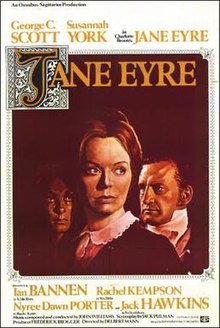
good story. Jane Eyre has the subplot of Bertha Mason. Had she just been a mad
woman that roams around the house, it would’ve created some initial suspense
but eventually seemed pointless. Her subplot comes into a direct clash with
Jane’s because her existence prevents Jane’s marriage to Rochester.
Wuthering Heights’ subplot of Isabella
and Heathcliff’s marriage sets the scene for the second generation of drama.
Had it not happened, Linton Heathcliff would’ve never been born and Heathcliff
would’ve had no means to gain Linton’s property though young Cathy.
 |
| "Your hair don't smell of the heather." |
Regardless of how you insert them in a
story, your subplots should always have some effect on the main plot. It can be
in a large way or a small one, but relevance is key.


